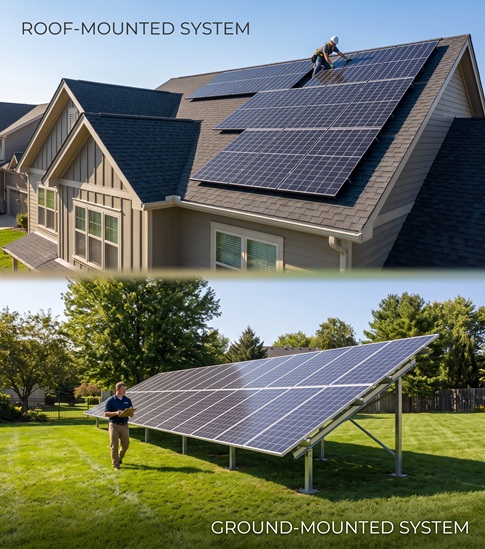
Dual-Post Solar Mounting Systems: The Optimal Solution for High-Wind Installations
Aug, 10 2026
As the global transition to solar energy accelerates, selecting the optimal mounting infrastructure is more critical than ever. The quality of a mounting system directly dictates the long-term durability, operational efficiency, and overall safety of any solar power plant.
Entering 2026, the Double-Post Solar Mounting System has firmly established itself as one of the most reliable and cost-effective solutions for commercial and industrial (C&I) projects. Purpose-built to conquer extreme weather—including high wind loads and torrential rain—as well as highly uneven terrain, these systems deliver uncompromising structural reinforcement for large-scale solar arrays.
What is a Double-Post Solar Mounting System?
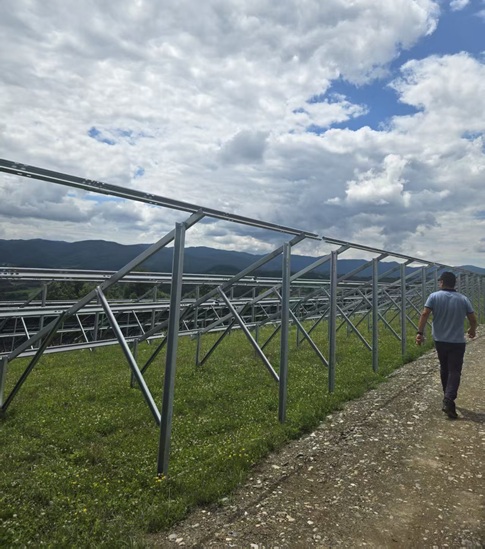
A double-post mounting system is a robust, ground-mounted framework that utilizes two vertical support columns to securely anchor photovoltaic panels. This dual-support architecture inherently provides:
Optimized Load Distribution: Balances panel weight and environmental stressors evenly across the structure.
Enhanced Structural Stability: Provides a rigid, unyielding foundation for the entire array.
Superior Wind Resistance: Engineered to remain steadfast in severe weather conditions.
Maximized Module Support: Perfectly suited to safely carry modern, large-format solar panels.
Primary Applications:
Industrial Solar Projects: Manufacturing plants, large-scale warehouses, and factories.
Utility-Scale Solar Farms: Expansive, high-capacity ground-mounted PV parks.
Commercial Installations: Shopping complexes, educational institutions, and corporate facilities.
Harsh Environment Regions: Geographic areas prone to heavy rainfall, gale-force winds, or challenging topographies.
5 Key Benefits of Double-Post Solar Structures:
1. Exceptional Wind Resistance A standout advantage of the double-post system is its unparalleled ability to endure severe weather. Rigorously engineered to withstand wind speeds of up to 180 km/h, these structures are highly recommended for:
Coastal and high-wind regions
Open industrial plains
Large-scale solar farms Their robust structural integrity prevents panel displacement and guarantees long-term operational reliability.
2. Optimized Load Distribution: The dual-support architecture evenly disperses the physical weight of the solar panels and environmental pressures. This balanced distribution drastically minimizes localized stress, structural fatigue, and long-term material deformation, resulting in a significantly more stable array over time.
3. Ideal for Large-Format Modules: As modern solar projects increasingly adopt larger, high-capacity modules, double-post systems provide the requisite heavy-duty support. They offer tremendous flexibility, seamlessly accommodating multiple panel configurations and both landscape and portrait orientations.
4. Extended Structural Lifespan: Constructed primarily from hot-dip galvanized (HDG) steel and highly corrosion-resistant materials, these structures are built for longevity. Industrial clients benefit from supreme rust resistance, vastly reduced maintenance costs, and unwavering durability in harsh climates—ultimately maximizing long-term ROI.
5. Versatile Foundation Compatibility: Every project site is unique. Double-post systems adapt effortlessly to diverse soil conditions and topographical requirements by supporting multiple foundation types, including driven piles, concrete bases, and screw piles.
Technical Highlights:
Engineered to meet stringent industrial standards, premium double-post systems feature:
Extreme Weather Rating: Certified wind resistance up to 180 km/h.
Layout Flexibility: Full compatibility with both portrait and landscape module arrays.
Terrain Adaptability: Optimized for slopes and uneven ground conditions.
Premium Hardware: High-grade aluminum clamps paired with stainless-steel fasteners.
Robust Framework: Heavy-duty HDG/GI structural steel components.
Streamlined Assembly: Intelligent design for rapid, tool-friendly module attachment.
Why Structural Quality is Non-Negotiable:
Choosing the right mounting hardware is a vital investment in your solar plant's future.
The Risks of Low-Quality Systems: Subpar mounts often lead to severe corrosion, panel misalignment, catastrophic wind damage, and escalating maintenance expenses.
The Rewards of Engineered Systems: Investing in high-quality structures ensures uncompromising safety, consistent power generation, lowered operational costs, and an extended system lifespan of 25+ years.
The Future of Solar Mounting Systems:
As the solar industry evolves, mounting infrastructure is shifting toward:
Ultra-high-strength, lightweight materials.
Pre-assembled designs for drastically faster installation.
Ultra-low maintenance engineering.
Advanced, hyper-weather-resistant designs.
Frequently Asked Questions (FAQs):
Q1: Which is better—a single-post or double-post solar structure? Double-post systems offer vastly superior stability, higher load-bearing capacities, and drastically improved wind resistance compared to single-post designs.
Q2: Are double-post systems safe for high-wind areas? Absolutely. They are purpose-built for extreme weather and are rigorously tested to safely withstand wind speeds of up to 180 km/h.
Q3: What materials are standard in premium mounting structures? Top-tier structures generally utilize hot-dip galvanized (HDG) steel for the primary framework, complemented by aluminum clamps and stainless-steel fasteners to prevent corrosion.
Q4: Are these systems appropriate for industrial use? Yes. Their inherent strength and durability make them the industry standard for commercial, industrial, and utility-scale installations.
Q5: What is the expected lifespan of a solar mounting structure? When engineered properly and heavily galvanized, a high-quality mounting structure will reliably perform for 25 years or more with minimal maintenance required.
Conclusion:
A Double-Post Solar Mounting System is far more than a simple metal framework; it is the resilient backbone of a dependable solar installation. Offering unparalleled wind resistance, balanced load distribution, and profound long-term durability, these structures have rightfully become the preferred choice for modern solar projects across India. For industrial and commercial developers who prioritize lasting performance, investing in a robust, engineered double-post system guarantees maximum efficiency and highly optimized long-term returns.
Are you preparing for a utility-scale solar project?
We provide technical consulting and structural support to ensure your assets are built on a solid foundation.
Contact us at: fred@sunnect-solar.com